Used Racking Measuring Guide
Accurate measurements are essential when assessing pallet racking for installation or expansion. Taking precise measurements ensures compatibility with existing storage, prevents structural issues, and helps in sourcing the correct components when needed.
Whether you are installing new racking or adding to your existing system, knowing the exact upright, beam, and decking dimensions is crucial. If you are unsure what racking system you have, visit our Racking Identifier Page for help in identifying your racking brand before taking measurements.
This guide will walk you through the key measurements needed to correctly assess your pallet racking system, helping you make informed decisions for your warehouse storage.
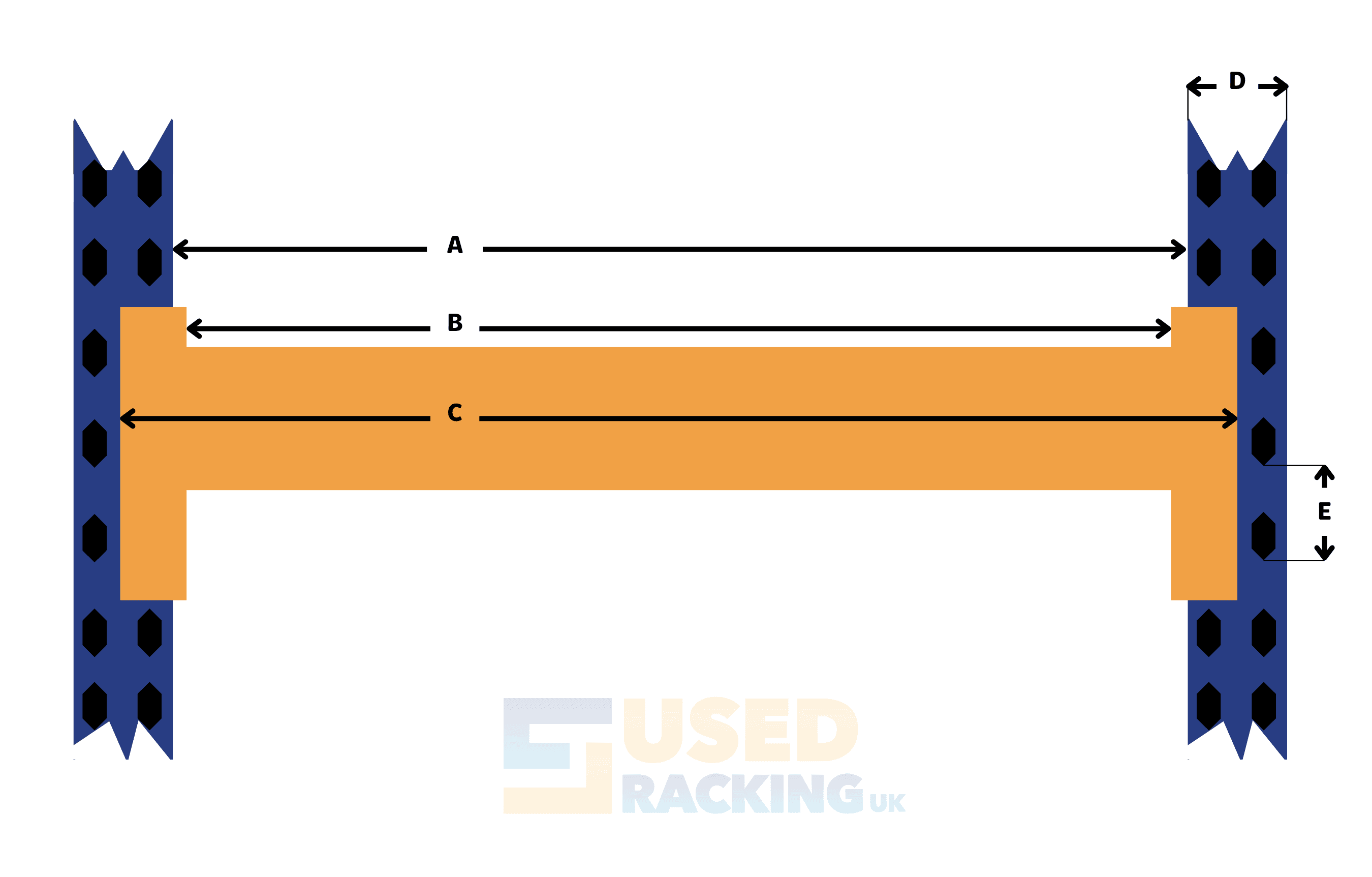
Each racking brand has unique dimensions and connection types, meaning brands are not interchangeable.
Measuring Pallet Racking Beams
The upright frame is the vertical support structure of your racking system. Measuring these components correctly is crucial for determining storage height, depth, and overall stability.
Length: Measure the distance between the insides of the two uprights where the beam connects. Standard lengths vary, so ensure your measurement matches your storage needs.
Beam Height: Measure the vertical height of the beam's face. A taller face typically indicates a higher load capacity.
Depth: Measure the thickness of the beam from front to back. This affects the beam's strength and the type of decking it can support.

Measuring Pallet Racking Upright Frames
Beams connect the upright frames and support the stored pallets. Measuring beams correctly ensures they fit securely and can handle the required weight.
Height: Measure from the baseplate to the top of the upright. This determines the vertical space available for storage.
Depth: Measure the distance between the front and back columns of the upright frame. This dimension should align with your pallet size to ensure proper support.
Column Dimensions: Measure the width and depth of the upright columns. These measurements are crucial for assessing load capacity and ensuring structural integrity.
Measuring Decking For Pallet Racking
Decking is placed on top of beams to create a stable surface for storing non palletised items. The right decking ensures secure and efficient storage.
Depth: Measure the distance from the front to the back of the rack where the decking will sit.
Width: Measure the width between the uprights to determine the appropriate size for wire mesh decking or other shelf materials.
What Else Should I Consider When Measuring?
Load Capacity: Understand the weight each beam level will support. This ensures that both the beams and uprights are rated appropriately for your storage needs.
Pallet Dimensions: Confirm the size of the pallets you intend to store. Standard pallet sizes influence the depth and width measurements of your racking system.
By taking accurate measurements, you can ensure your racking system is compatible, safe, and fit for purpose. If you need expert guidance, our team at Used Racking UK is here to help.
Pallet Racking Terminology
Term
Meaning
Aisle
The access lane between rack runs, used by people or material-handling equipment.
Anchor bolt
A fixing used to secure a rack baseplate to the floor.
Back-to-back run
An alternative term for a double-entry run: two rows positioned back to back and accessible from aisles on both sides.
Baseplate
The plate at the bottom of an upright that spreads the load onto the floor and provides a point for anchoring.
Bay
One storage section between two upright frames. A bay usually contains one or more pairs of beams.
Bay capacity
The stated maximum load for a complete bay under a specified configuration.
Beam
A horizontal member that connects the uprights of two frames and supports pallets, usually directly or through decking. Beams are commonly installed in pairs, one at the front and one at the back.
Beam capacity
The rated load a beam pair can support for a stated beam span and loading arrangement.
Beam connector
The end fitting on a beam that hooks or locks into the slots in an upright. Also called a beam end connector.
Beam level
A pair of beams at the same height, forming one storage level.
Bracing
Horizontal and diagonal members that join the uprights within a frame and help it resist movement and loads.
Clear entry width
The usable opening between the inside faces of the uprights or beam connectors, available for placing a pallet.
Clear height
The vertical clearance between storage levels, or between a beam and an obstruction above it.
Column guard
A protective barrier around an upright.
Decking
Material placed across beams to create a more continuous shelf surface. Types include steel mesh, timber, and chipboard.
Double-deep racking
Racking arranged to store two pallets deep, generally requiring suitable reach equipment to access the rear pallet.
Double-entry run
A run accessible from aisles on both sides. It is commonly formed by two rows positioned back to back, with row spacers between them. Back-to-back run is an alternative term.
End-of-aisle protector
A guard fitted at the end of a rack run to protect the exposed frame from vehicle impact.
Flue space
The open vertical gap between back-to-back pallets or loads. It can help with fire protection and sprinkler performance.
Fork spacer
A bar fitted between the front and rear beam to allow handling equipment forks to load and unload non-palletised products such as sheet material within a pallet racking system.
Frame
The upright structure at the end of a bay, made from two vertical uprights joined by horizontal and diagonal bracing. Also called an upright frame.
Frame capacity
The stated load capacity of an upright frame, which depends on factors such as frame height, bracing, beam levels, and load arrangement.
Locking pin
A retaining pin fitted at a beam-to-upright connection to help prevent the beam connector from accidentally lifting out. Also called a safety pin or beam safety lock.
Load notice
A sign showing important rack information, such as permitted loads and configuration details. Also called a load plaque or capacity sign.
Mesh deck
A wire-mesh panel supported by the beams, often used to support pallets or loose items while allowing light and water through.
Pallet overhang
The amount a pallet extends beyond the beam support points. Permitted overhang depends on the pallet, load, and rack design.
Pallet position
A space intended to hold one pallet. The number of positions per bay depends on pallet size, beam length, and required clearances.
Pallet stop
A bar or other feature that helps limit how far a pallet can be pushed into a bay.
Pallet support bar
A bar fitted between the front and rear beams to provide extra support beneath a pallet.
Row spacer
A connector that holds two back-to-back rows at a specified distance apart. Also called a row tie or spacer.
Run
A line of connected racking bays arranged end to end.
Safe working load (SWL)
The maximum stated load that a component or rack configuration is designed to carry under specified conditions. Follow the rack supplier’s load information.
Shim
A thin plate placed beneath a baseplate to level the frame where the floor is uneven.
Single-deep racking
Racking where each pallet is stored one pallet deep and can be accessed directly from the aisle.
Single-entry run
A run accessible from one aisle face, usually a single row of racks.
Upright
A vertical, perforated steel column in a frame. Beams connect to the uprights at selected heights.
Upright protector
A guard fitted around the lower part of an upright to reduce damage from forklifts or other equipment.
Working aisle
The aisle width needed for the specified handling equipment to manoeuvre and place pallets safely.
Used Racking Measuring Guide
Accurate measurements are essential when assessing pallet racking for installation or expansion. Taking precise measurements ensures compatibility with existing storage, prevents structural issues, and helps in sourcing the correct components when needed.
Whether you are installing new racking or adding to your existing system, knowing the exact upright, beam, and decking dimensions is crucial. If you are unsure what racking system you have, visit our Racking Identifier Page for help in identifying your racking brand before taking measurements.
This guide will walk you through the key measurements needed to correctly assess your pallet racking system, helping you make informed decisions for your warehouse storage.
Each racking brand has unique dimensions and connection types, meaning brands are not interchangeable.
Our Services at UK Used Racking
The upright frame is the vertical support structure of your racking system. Measuring these components correctly is crucial for determining storage height, depth, and overall stability.
Length: Measure the distance between the insides of the two uprights where the beam connects. Standard lengths vary, so ensure your measurement matches your storage needs.
Beam Height: Measure the vertical height of the beam's face. A taller face typically indicates a higher load capacity.
Depth: Measure the thickness of the beam from front to back. This affects the beam's strength and the type of decking it can support.
Measuring Pallet Racking Upright Frames
Beams connect the upright frames and support the stored pallets. Measuring beams correctly ensures they fit securely and can handle the required weight.
Height: Measure from the baseplate to the top of the upright. This determines the vertical space available for storage.
Depth: Measure the distance between the front and back columns of the upright frame. This dimension should align with your pallet size to ensure proper support.
Column Dimensions: Measure the width and depth of the upright columns. These measurements are crucial for assessing load capacity and ensuring structural integrity.
Measuring Decking For Pallet Racking
Decking is placed on top of beams to create a stable surface for storing non palletised items. The right decking ensures secure and efficient storage.
Depth: Measure the distance from the front to the back of the rack where the decking will sit.
Width: Measure the width between the uprights to determine the appropriate size for wire mesh decking or other shelf materials.
What Else Should I Consider When Measuring?
Load Capacity: Understand the weight each beam level will support. This ensures that both the beams and uprights are rated appropriately for your storage needs.
Pallet Dimensions: Confirm the size of the pallets you intend to store. Standard pallet sizes influence the depth and width measurements of your racking system.
By taking accurate measurements, you can ensure your racking system is compatible, safe, and fit for purpose. If you need expert guidance, our team at Used Racking UK is here to help.
Pallet Racking Terminology
Term
Meaning
Aisle
The access lane between rack runs, used by people or material-handling equipment.
Anchor bolt
A fixing used to secure a rack baseplate to the floor.
Back-to-back run
An alternative term for a double-entry run: two rows positioned back to back and accessible from aisles on both sides.
Baseplate
The plate at the bottom of an upright that spreads the load onto the floor and provides a point for anchoring.
Bay
One storage section between two upright frames. A bay usually contains one or more pairs of beams.
Bay capacity
The stated maximum load for a complete bay under a specified configuration.
Beam
A horizontal member that connects the uprights of two frames and supports pallets, usually directly or through decking. Beams are commonly installed in pairs, one at the front and one at the back.
Beam capacity
The rated load a beam pair can support for a stated beam span and loading arrangement.
Beam connector
The end fitting on a beam that hooks or locks into the slots in an upright. Also called a beam end connector.
Beam level
A pair of beams at the same height, forming one storage level.
Bracing
Horizontal and diagonal members that join the uprights within a frame and help it resist movement and loads.
Clear entry width
The usable opening between the inside faces of the uprights or beam connectors, available for placing a pallet.
Clear height
The vertical clearance between storage levels, or between a beam and an obstruction above it.
Column guard
A protective barrier around an upright.
Decking
Material placed across beams to create a more continuous shelf surface. Types include steel mesh, timber, and chipboard.
Double-deep racking
Racking arranged to store two pallets deep, generally requiring suitable reach equipment to access the rear pallet.
Double-entry run
A run accessible from aisles on both sides. It is commonly formed by two rows positioned back to back, with row spacers between them. Back-to-back run is an alternative term.
End-of-aisle protector
A guard fitted at the end of a rack run to protect the exposed frame from vehicle impact.
Flue space
The open vertical gap between back-to-back pallets or loads. It can help with fire protection and sprinkler performance.
Fork spacer
A bar fitted between the front and rear beam to allow handling equipment forks to load and unload non-palletised products such as sheet material within a pallet racking system.
Frame
The upright structure at the end of a bay, made from two vertical uprights joined by horizontal and diagonal bracing. Also called an upright frame.
Frame capacity
The stated load capacity of an upright frame, which depends on factors such as frame height, bracing, beam levels, and load arrangement.
Locking pin
A retaining pin fitted at a beam-to-upright connection to help prevent the beam connector from accidentally lifting out. Also called a safety pin or beam safety lock.
Load notice
A sign showing important rack information, such as permitted loads and configuration details. Also called a load plaque or capacity sign.
Mesh deck
A wire-mesh panel supported by the beams, often used to support pallets or loose items while allowing light and water through.
Pallet overhang
The amount a pallet extends beyond the beam support points. Permitted overhang depends on the pallet, load, and rack design.
Pallet position
A space intended to hold one pallet. The number of positions per bay depends on pallet size, beam length, and required clearances.
Pallet stop
A bar or other feature that helps limit how far a pallet can be pushed into a bay.
Pallet support bar
A bar fitted between the front and rear beams to provide extra support beneath a pallet.
Row spacer
A connector that holds two back-to-back rows at a specified distance apart. Also called a row tie or spacer.
Run
A line of connected racking bays arranged end to end.
Safe working load (SWL)
The maximum stated load that a component or rack configuration is designed to carry under specified conditions. Follow the rack supplier’s load information.
Shim
A thin plate placed beneath a baseplate to level the frame where the floor is uneven.
Single-deep racking
Racking where each pallet is stored one pallet deep and can be accessed directly from the aisle.
Single-entry run
A run accessible from one aisle face, usually a single row of racks.
Upright
A vertical, perforated steel column in a frame. Beams connect to the uprights at selected heights.
Upright protector
A guard fitted around the lower part of an upright to reduce damage from forklifts or other equipment.
Working aisle
The aisle width needed for the specified handling equipment to manoeuvre and place pallets safely.
Need Help Measuring Your Racking?
Get in touch and we can help you correctly measure racking.
What Our Customers Say
Hear from businesses that have transformed their storage solutions with our high-capacity pallet racking.
Speaking to Pauline at Used Racking UK she was extremely knowledgeable and sorted out our requirements quickly. I'd definitely use her again

Adam Osbourne
UE & UK Facilities Manager, Lands' End
We required used racking to store all our sheet metal at a length of 3000mm . The solution was supplied with 3300mm beams and heavy duty frames to maximise the storage in the warehouse. The solution has worked great meaning we have more floor space for manufacturing.
Andrew Finch
Director, AFAB Metalwork
Requiring some additional pallet racking quickly we turned to Used Racking UK who delivered on time and to our budget. I'd have no hesitation in using again.

Kevin Quinn
Managing Director, Vacform Group
Having struggled to match our existing racking we found Used Racking UK to be extremely helpful in sourcing and supplying pallet racking to complement our existing site.

John Gallen
Director, Network International Cargo
Used Racking provided an excellent service, delivering a tailored racking solution on time while minimising disruption. Professional, reliable and great value, we would highly recommend them.

Chris Hobbs
Director, Translink Express Logistics
Thank you for your support throughout our racking purchase. Your patience with our many changes and requests, along with the trust you showed us, made you and your company a pleasure to deal with. Credit to you and your team, and well done!

Andrew Flintoff
National Transport and Logistics Manager, Oxfam GB
I cannot thank Pauline, Steve and the team enough. Replacing racking in a fully operational warehouse was a challenge, but by spreading the work across four weekends, the project was completed on time with zero impact on service. A testament to why Pauline has been our go to racking partner for the past 10 years.

Malcom Gold
General Manager, Peter Green Chilled
Speaking to Pauline at Used Racking UK she was extremely knowledgeable and sorted out our requirements quickly. I'd definitely use her again
Adam Osbourne
UE & UK Facilities Manager, Lands' End
We required used racking to store all our sheet metal at a length of 3000mm . The solution was supplied with 3300mm beams and heavy duty frames to maximise the storage in the warehouse. The solution has worked great meaning we have more floor space for manufacturing.
Andrew Finch
Director, AFAB Metalwork
Requiring some additional pallet racking quickly we turned to Used Racking UK who delivered on time and to our budget. I'd have no hesitation in using again.
Kevin Quinn
Managing Director, Vacform Group
Having struggled to match our existing racking we found Used Racking UK to be extremely helpful in sourcing and supplying pallet racking to complement our existing site.
John Gallen
Director, Network International Cargo
Used Racking provided an excellent service, delivering a tailored racking solution on time while minimising disruption. Professional, reliable and great value, we would highly recommend them.
Chris Hobbs
Director, Translink Express Logistics
Thank you for your support throughout our racking purchase. Your patience with our many changes and requests, along with the trust you showed us, made you and your company a pleasure to deal with. Credit to you and your team, and well done!
Andrew Flintoff
National Transport and Logistics Manager, Oxfam GB
I cannot thank Pauline, Steve and the team enough. Replacing racking in a fully operational warehouse was a challenge, but by spreading the work across four weekends, the project was completed on time with zero impact on service. A testament to why Pauline has been our go to racking partner for the past 10 years.
Malcom Gold
General Manager, Peter Green Chilled
What Our Customers Say
Hear from businesses that have transformed their storage solutions with our high-capacity pallet racking.
Speaking to Pauline at Used Racking UK she was extremely knowledgeable and sorted out our requirements quickly. I'd definitely use her again
Adam Osbourne
UE & UK Facilities Manager, Lands' End
We required used racking to store all our sheet metal at a length of 3000mm . The solution was supplied with 3300mm beams and heavy duty frames to maximise the storage in the warehouse. The solution has worked great meaning we have more floor space for manufacturing.
Andrew Finch
Director, AFAB Metalwork
Requiring some additional pallet racking quickly we turned to Used Racking UK who delivered on time and to our budget. I'd have no hesitation in using again.
Kevin Quinn
Managing Director, Vacform Group
Having struggled to match our existing racking we found Used Racking UK to be extremely helpful in sourcing and supplying pallet racking to complement our existing site.
John Gallen
Director, Network International Cargo
Used Racking provided an excellent service, delivering a tailored racking solution on time while minimising disruption. Professional, reliable and great value, we would highly recommend them.
Chris Hobbs
Director, Translink Express Logistics
Thank you for your support throughout our racking purchase. Your patience with our many changes and requests, along with the trust you showed us, made you and your company a pleasure to deal with. Credit to you and your team, and well done!
Andrew Flintoff
National Transport and Logistics Manager, Oxfam GB
I cannot thank Pauline, Steve and the team enough. Replacing racking in a fully operational warehouse was a challenge, but by spreading the work across four weekends, the project was completed on time with zero impact on service. A testament to why Pauline has been our go to racking partner for the past 10 years.
Malcom Gold
General Manager, Peter Green Chilled
Find the Right Used Racking & Storage Solutions for Your Business
At Used Racking UK, we offer a wide range of new and used storage solutions to help you create a safer, more efficient workspace. Whether you need heavy-duty pallet racking, mezzanine flooring for extra storage, or office interiors to enhance your workspace, we have a solution for you. All our products are carefully sourced, inspected for quality, and available for installation anywhere in the UK.
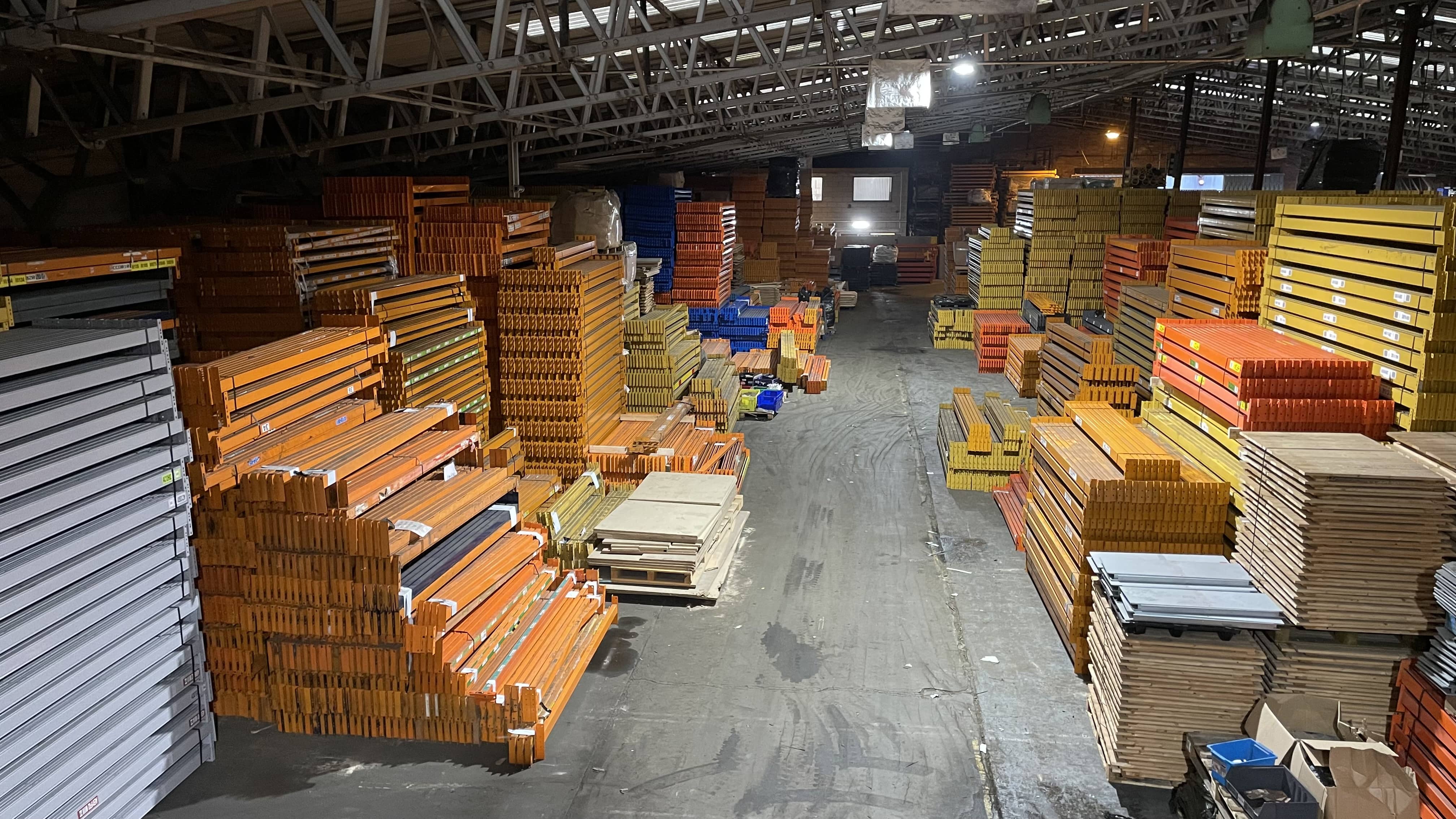
Used Pallet Racking
Quality used pallet racking that’s durable, reliable, and cost-effective. Every rack is safety-checked for maximum safety.
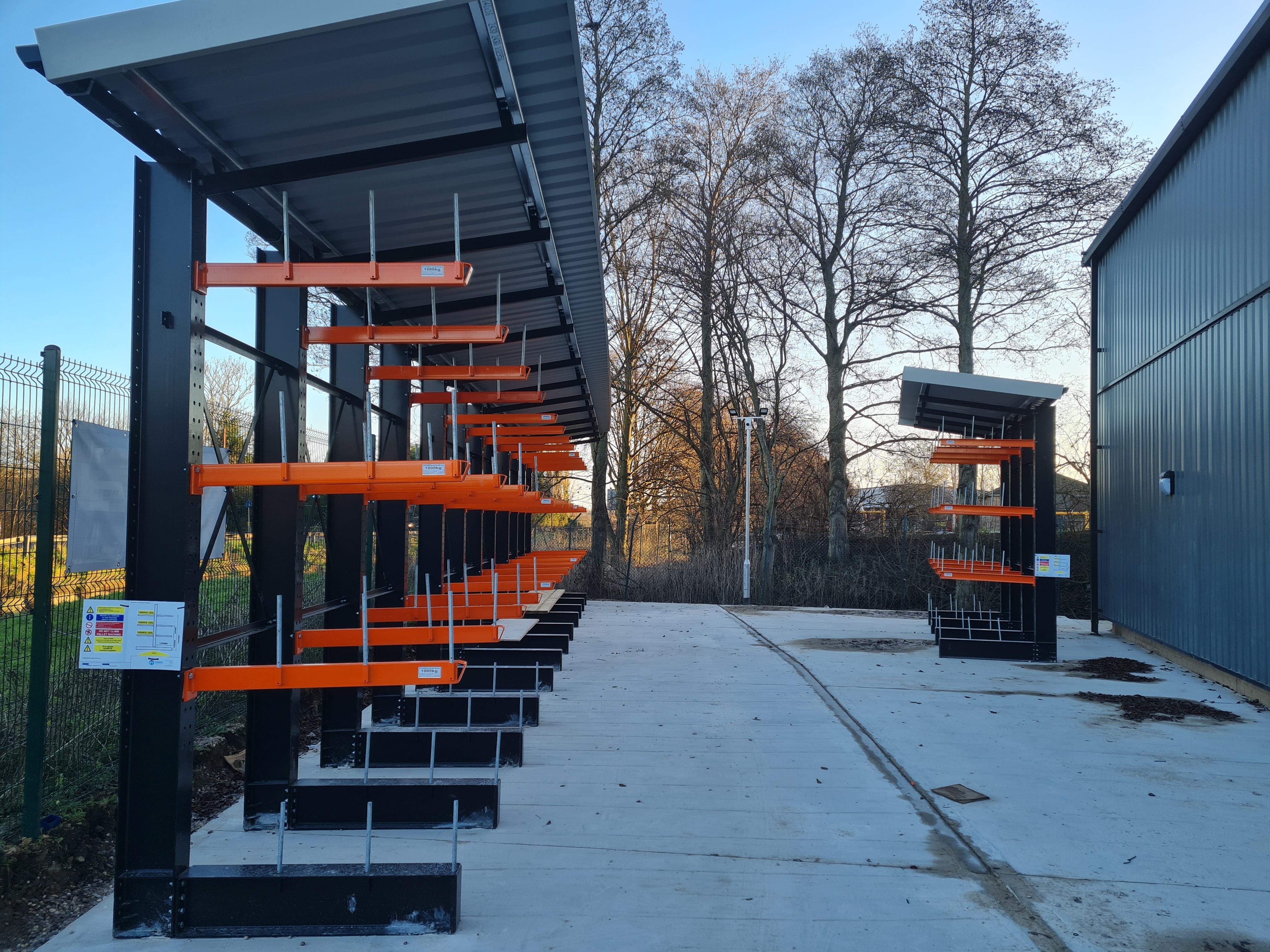
Cantilever Racking
Durable and reliable cantilever racking, designed to efficiently store long and bulky items. Ideal for optimising your storage space.
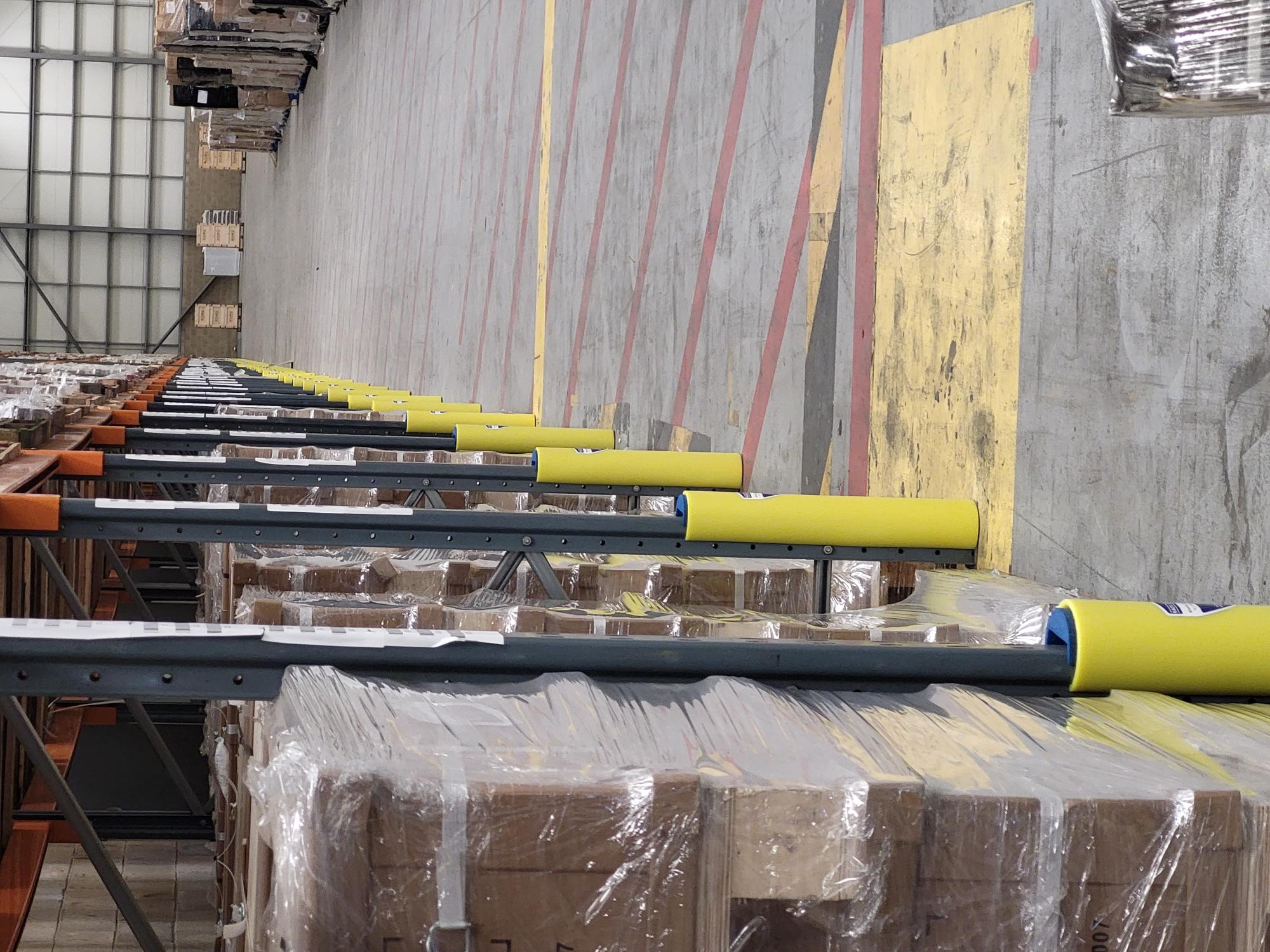
Warehouse Safety
Prioritise warehouse safety by providing durable, reliable racking systems designed to meet the highest safety standards.
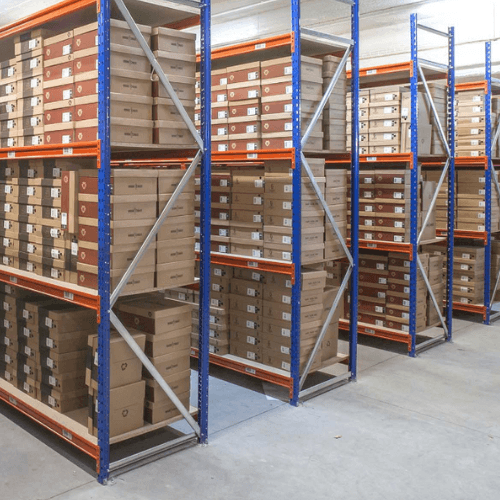
Industrial Shelving
We provide a wide range of high-quality industrial shelving systems for warehouses, offices, and retail spaces.
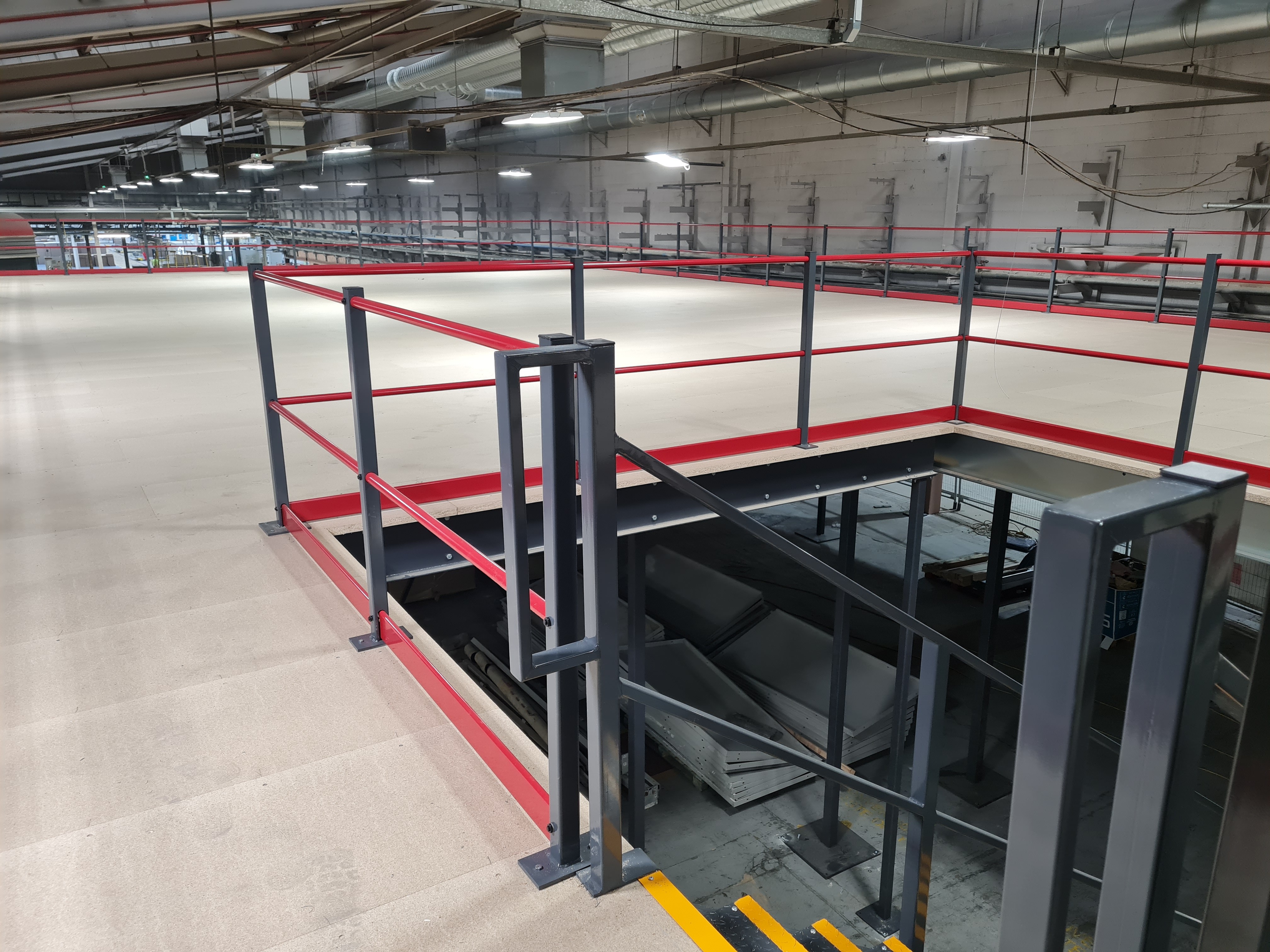
Mezzanine Flooring
Maximise space with sturdy mezzanine flooring for storage or office expansion. A cost effective way to increase efficiency.
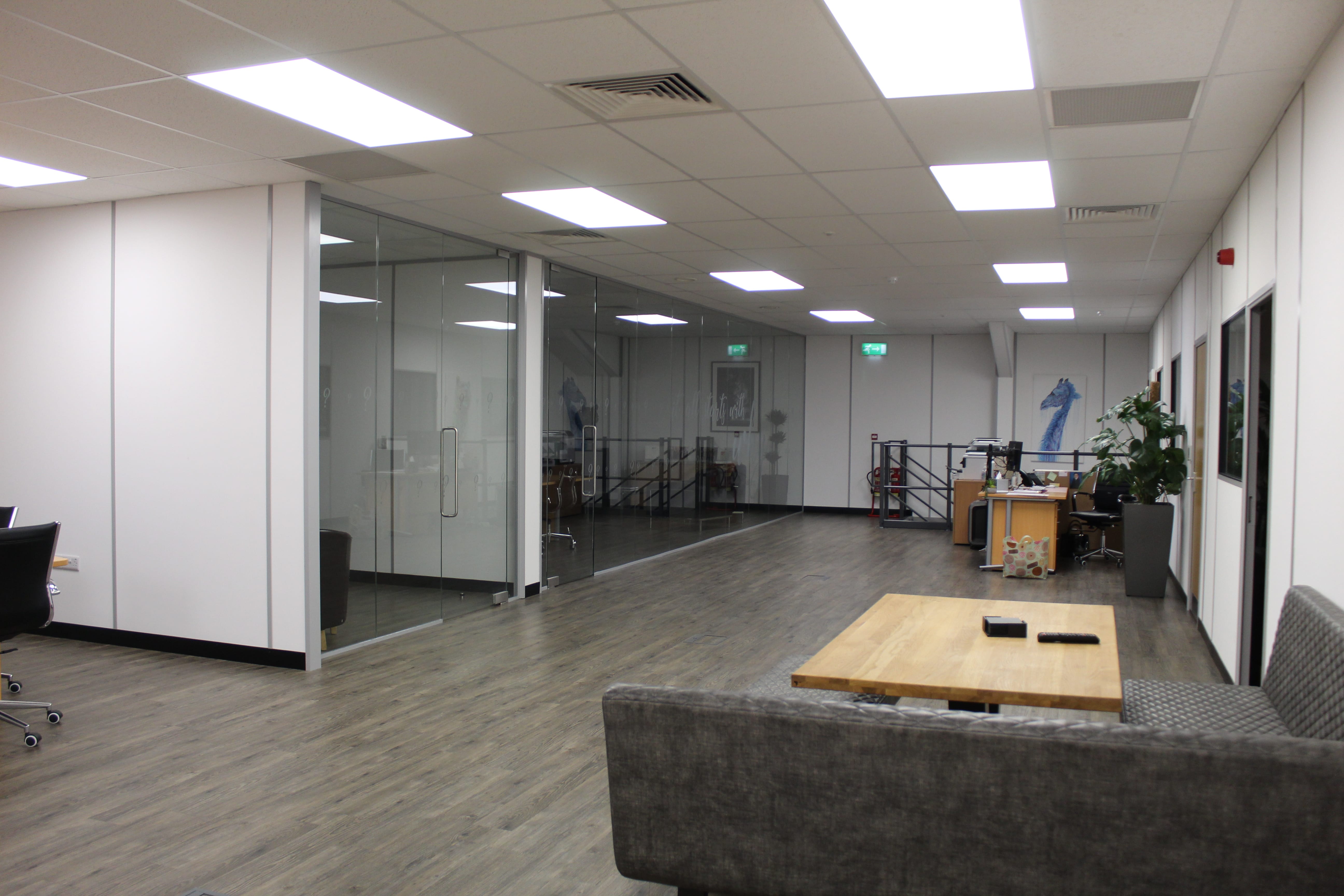
Office Interiors
Upgrade your workspace with office partitions, shelving, and furniture. Designed for better organisation and comfort.
Find the Right Used Racking & Storage Solutions for Your Business
At Used Racking UK, we offer a wide range of new and used storage solutions to help you create a safer, more efficient workspace. Whether you need heavy-duty pallet racking, mezzanine flooring for extra storage, or office interiors to enhance your workspace, we have a solution for you. All our products are carefully sourced, inspected for quality, and available for installation anywhere in the UK.
Used Pallet Racking
Quality used pallet racking that’s durable, reliable, and cost-effective. Every rack is safety-checked for maximum safety.
Cantilever Racking
Durable and reliable cantilever racking, designed to efficiently store long and bulky items. Ideal for optimising your storage space.
Warehouse Safety
Prioritise warehouse safety by providing durable, reliable racking systems designed to meet the highest safety standards.
Industrial Shelving
We provide a wide range of high-quality industrial shelving systems for warehouses, offices, and retail spaces.
Mezzanine Flooring
Maximise space with sturdy mezzanine flooring for storage or office expansion. A cost effective way to increase efficiency.
Office Interiors
Upgrade your workspace with office partitions, shelving, and furniture. Designed for better organisation and comfort.
Get a Quote for Quality Used Racking Today
Maximise your warehouse space with quality used racking at unbeatable prices. Whether you need pallet racking, cantilever racking, or mezzanine flooring, we have cost-effective solutions ready for fast UK-wide delivery. Our team is here to help you find the perfect fit for your storage needs.
Why Get a Quote from Used Racking UK?
Save Money – Get quality used racking that is significantly cheaper and has the same safe quality.
Expert Guidance – Our team helps you find the right storage solution for your needs.
Fast UK-Wide Installation – Quick and reliable installation to your location.
Stock Availability – A wide range of used pallet racking and racking safety accessories are ready to go.